IN SHORT:
UPRIGHT: Creativity. The need to imagine and live new worlds. Resistance is culture. Inclusion and the culture of Direct-Democracy, Develop new and existing forms of resistance through solidarity and/or anonymity.
REVERSED: Overactive Imagination. The difficulties of scale within social movements across borders. Hero-Worship/over emphasis of heroics.
KEEP SCROLLING DOWN FOR IN DEPTH EXPLANATION
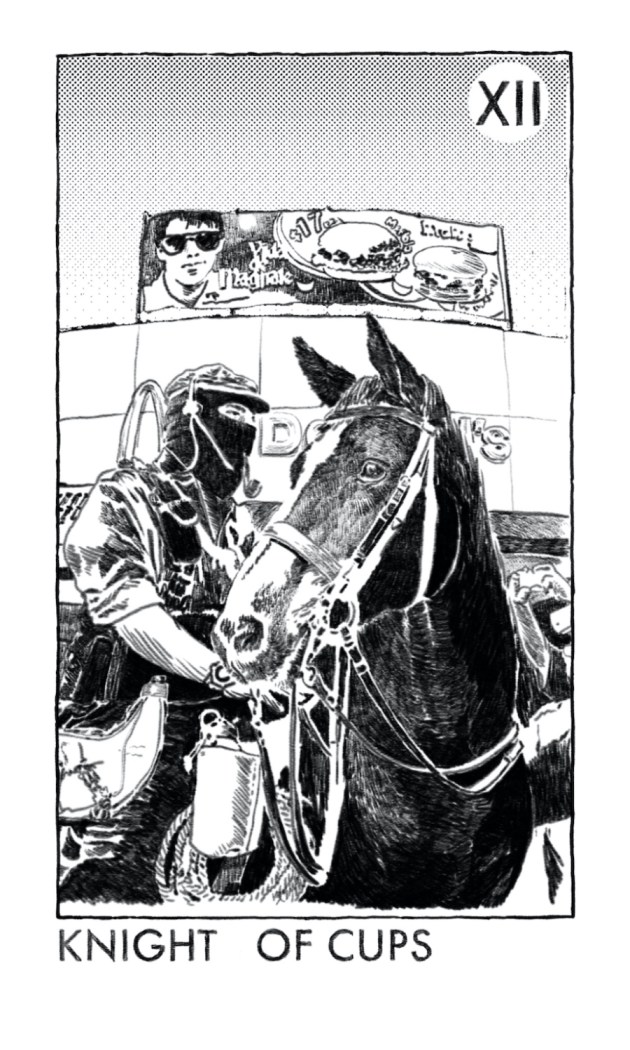
“The world we want is one where many fit.” –Zapatistas
“You should press on and know that in the mountains of Southeast Mexico there is a collective heart that is with you and supports you. Don’t feel alone or isolated. We will be watchful and will not forget you.”
From the mountains of the Mexican Southeast
SUBCOMANDANTE INSURGENTE MARCOS
OUR WORD IS OUR WEAPON.
IN DEPTH:
He arrives at half-past midnight. On horseback, he is equipped with canteens, rope, microphone. They intend to stay, they intend to be heard. January 1st 1994, on the brink of the North American Free Trade Agreement (NAFTA) between Canada, the US and Mexico, 3,000 masked Zapatista soldiers emerged from the mountainous villages of the southeastern state of Chiapas and occupied several towns. Behind the black and red masks, were the faces of indigenous Mayans standing up against policies that would further the dispossession and repression of their communities. ‘We went to war not to kill or to be killed but in order to be heard.’
The Zapatistas dawn masks as rejection of traditional representative politics and identities in favor of direct democracy, equality and to undermine the hierarchical organization of society. They were at the forefront of using the internet to mobilize and strengthen international solidarity among anti-globalization, and anti-capitalist movements. The use of direct-democracy within the Zapatistas, the social valorization of women, and their poetic Communiqués ,captured the imagination of activist around the world. “We are all Marcos. We are all Zapatistas.” referring to Subcomandante Marcos (pictured in this card) was for activist of the nineties a common refrain. This was not so much idol-worship, as an experimental blurring of identity and invitation to see oneself in the other, to become unified in struggle. The Knight of Cups ask you to explore new modes of communication and inclusion.
“You can see we are who we are so we can stop being who we are to become the you who we are.”pg 25
-ZAPATISTA ENCUENTRO
 monthlysmokeandmirrors.com